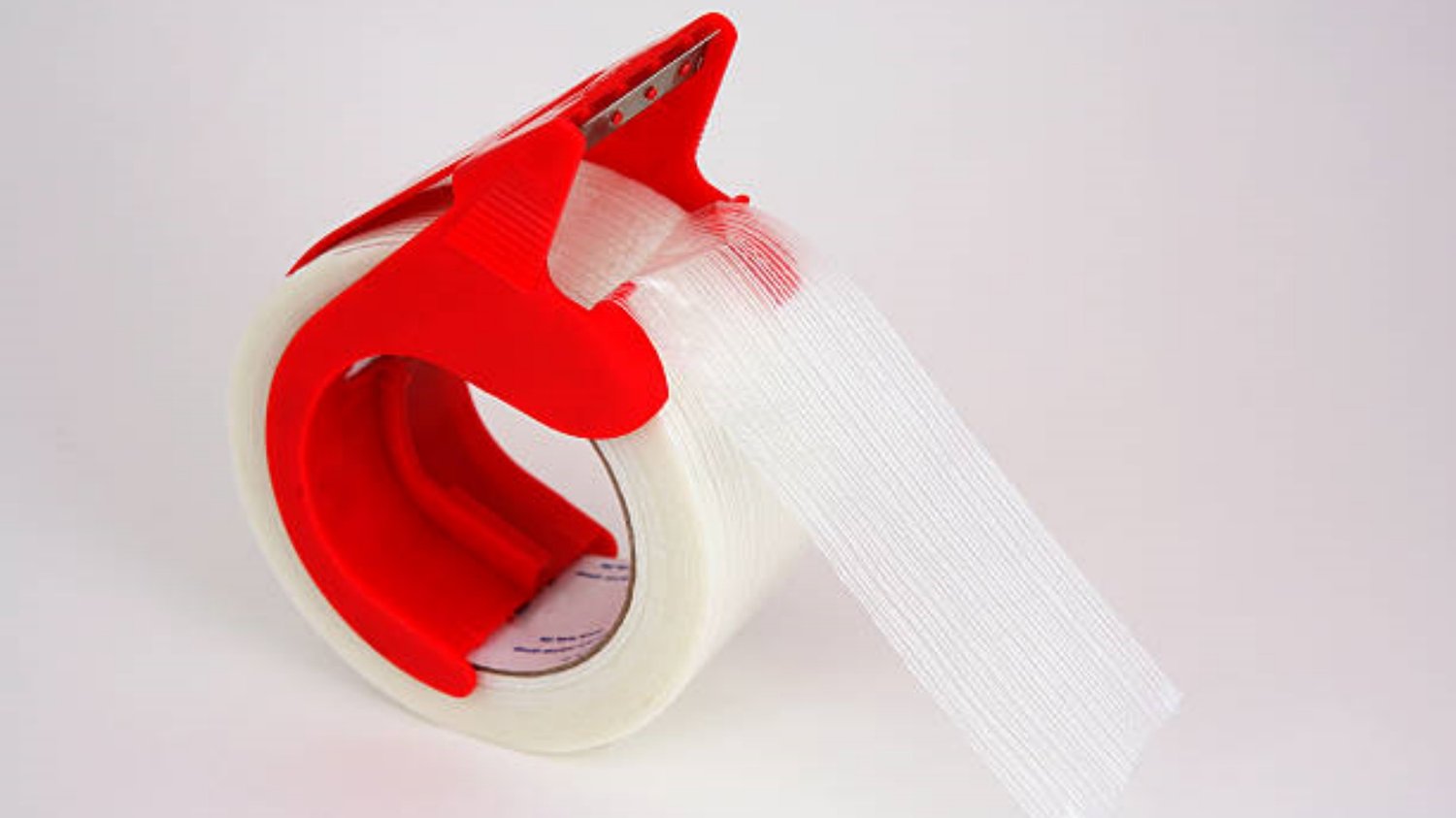
Understanding Strap Dispenser Hazards
Strap dispensers are widely used in industrial and packaging environments, but without proper handling, they pose several hazards. Common risks include cuts from sharp edges, pinch points from the mechanism, and repetitive strain injuries from improper use. Familiarity with these potential dangers is the first step in adhering to
Strap Dispenser Safety Guidelines and maintaining a safe workspace.
Choosing the Right Strap Dispenser for Safety
Selecting a strap dispenser designed with safety features can significantly reduce workplace injuries. Look for models with built-in guards, ergonomic handles, and controlled tension systems. Prioritizing safety in the purchasing process complements overall strap dispenser safety guidelines and helps prevent accidents on the job.
Proper Installation and Maintenance
Correct installation and regular maintenance of strap dispensers are crucial to avoid malfunctions that can lead to injuries. Follow manufacturer instructions closely, and schedule routine inspections and lubrication. Maintaining equipment in top condition ensures that safety mechanisms function properly as outlined in strap dispenser safety guidelines.
Training Employees on Safe Operation
Comprehensive training programs should be in place to educate employees about the safe operation of strap dispensers. Training should cover correct handling techniques, emergency procedures, and recognition of equipment wear and tear. Well-informed workers are central to enforcing strap dispenser safety guidelines effectively.
Using Personal Protective Equipment (PPE)
Appropriate PPE, such as cut-resistant gloves and safety glasses, is essential when operating strap dispensers. PPE acts as the last line of defense against accidental injuries. Compliance with strap dispenser safety guidelines mandates consistent use of protective gear to mitigate risks.
Workstation Ergonomics for Safety
Ergonomically designed workstations minimize the strain and fatigue associated with repetitive strap dispensing tasks. Adjustable tables, anti-fatigue mats, and strategically placed equipment support adherence to strap dispenser safety guidelines by promoting comfort and reducing injury risks.
Safe Handling and Storage Practices
Proper handling and storage of strap rolls and dispensers prevent workplace hazards like tripping, falling rolls, and equipment damage. Secure storage areas and clear pathways are integral to strap dispenser safety guidelines, ensuring a tidy and accident-free environment.
Emergency Response Procedures
Establishing clear emergency response protocols for incidents related to strap dispensers is a vital safety component. Employees must know how to respond to injuries, equipment jams, or malfunctions swiftly to uphold strap dispenser safety guidelines and minimize serious consequences.
Regular Safety Audits and Compliance Checks
Conducting periodic safety audits helps identify and correct any deviations from strap dispenser safety guidelines. Audits verify that safety equipment is functional, personnel remain trained, and procedures are correctly followed, contributing to a sustainable culture of safety.
Promoting a Safety-First Culture
Encouraging open communication about safety concerns and continuous improvement enhances compliance with strap dispenser safety guidelines. A safety-first culture empowers employees to report hazards, suggest improvements, and prioritize safe practices in daily operations.
Quote Inquiry
contact us