
1. Introduction to High strength strapping Technology
High strength strapping is a critical component in securing heavy loads, offering superior tension and durability compared to conventional strapping solutions. Manufactured from advanced materials like polyester (PET) or steel, this strapping ensures the integrity of bundled items during transit and storage, minimizing risks of damage and loss. Understanding the technology behind high strength strapping helps industries select the best options for their load containment needs.
2. Material Innovations Driving High Strength Strapping
Modern high strength strapping relies on materials engineered for exceptional tensile strength and flexibility. Polyester (PET) strapping has become a popular alternative to traditional steel due to its corrosion resistance, lightweight properties, and high elongation capacity. Meanwhile, steel strapping remains unparalleled in sheer strength, especially for extremely heavy or oversized loads. Material advancements continuously improve the performance and safety profiles of these strapping systems.
3. Applications Across Industries
High strength strapping is widely used across diverse sectors, including construction, logistics, manufacturing, and shipping. It secures palletized goods, steel bundles, lumber, and heavy machinery, playing a pivotal role in ensuring load stability. Industries value high strength strapping for its ability to withstand rough handling and environmental challenges, making it indispensable for global shipping and warehousing operations.
4. Comparing High Strength Strapping Types
The two primary categories are steel strapping and polyester strapping. Steel strapping delivers maximum strength, ideal for extremely heavy loads and sharp-edged goods, though it requires specialized tools and safety precautions during application. Polyester strapping offers high strength with added benefits such as elongation and corrosion resistance, enabling easier handling and reducing product damage. Choosing the right type depends on the specific load requirements and environmental conditions.
5. Advantages of Using High Strength Strapping
High strength strapping provides numerous advantages including enhanced load security, cost-effectiveness, and resistance to environmental factors. Its superior strength-to-weight ratio decreases overall packaging weight without compromising safety. Additionally, its ability to maintain tension over extended periods reduces the risk of loosening, thereby preventing accidents and ensuring compliance with transportation regulations.
6. Environmental Impact and Sustainability
Sustainability is a growing concern in packaging materials, and high strength strapping is evolving accordingly. Polyester strapping, often recyclable, supports eco-friendly initiatives by reducing reliance on steel and minimizing scrap waste. Some manufacturers also produce strapping from recycled PET materials, aligning with circular economy principles while retaining necessary mechanical properties for industrial applications.
7. Tools and Equipment for Applying High Strength Strapping
The effectiveness of high strength strapping depends not only on the material but also on the tools used for tensioning, sealing, and cutting. Manual, semi-automatic, and fully automatic strapping machines accommodate various production volumes and load types. Proper tool selection ensures optimal strap tensioning and secure fastening, reducing labor effort and enhancing safety during strapping operations.
8. Safety Considerations in Handling High Strength Strapping
Handling high strength strapping requires attention to safety due to its high tension and potential for recoil. Appropriate protective gear and adherence to recommended application techniques prevent injuries. Training employees on proper strapping methods and the correct use of tensioning tools ensures safer work environments, especially when working with steel strapping which can be more hazardous due to sharp edges.
9. Cost Factors and Economic Benefits
While high strength strapping may involve higher initial costs compared to standard strapping, the long-term economic benefits are significant. Reduced product damage, fewer load failures, and decreased downtime for repackaging contribute to cost savings. Additionally, improved load stability can lead to lower shipping costs by optimizing pallet stacking and minimizing shrinkage rates during transport.
10. Future Trends in High Strength Strapping
Innovation continues to shape high strength strapping with developments focusing on enhanced strength-to-weight ratios, sustainability, and automation. Smart strapping solutions embedded with sensors and indicators are emerging to monitor tension levels in real time, preventing failures before they occur. As automation integrates further into logistics, high strength strapping will become more efficient, reliable, and environmentally friendly.
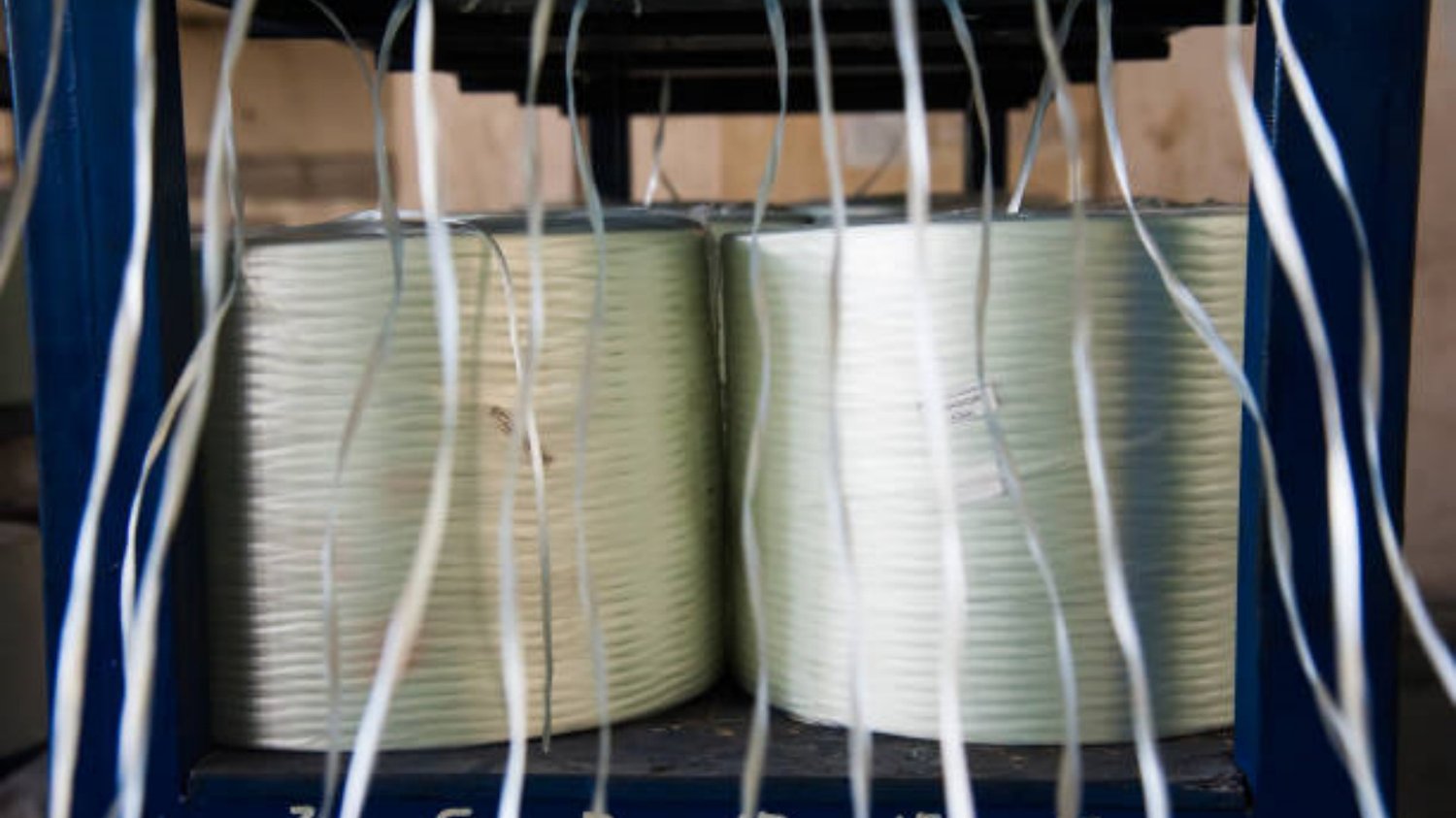
High Strength Strapping: Enhancing Load Security and Durability
High Strength Strapping: Enhancing Load Security and Durability
4 minutes