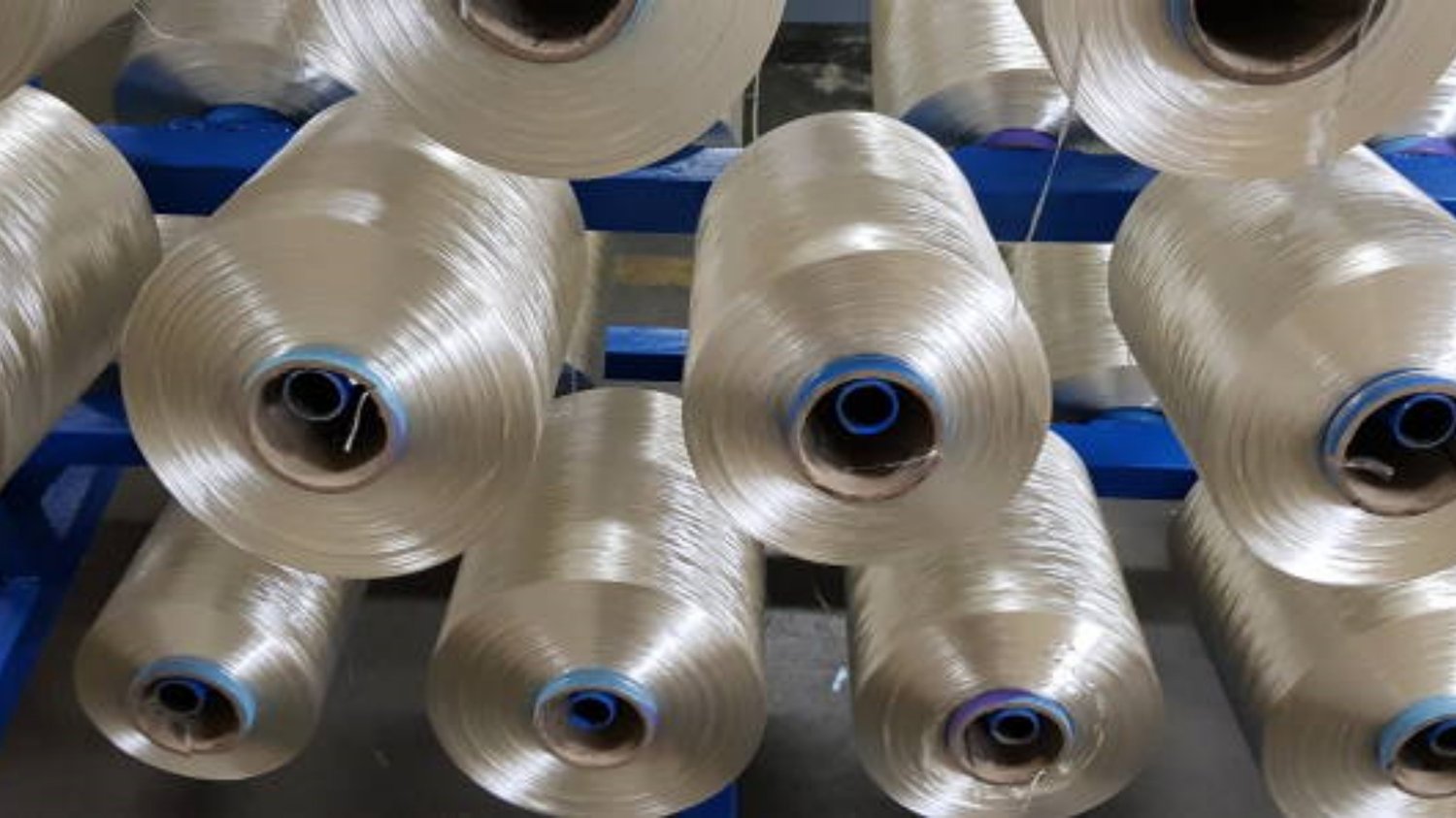
Heavy duty strapping is a critical component in industrial packaging and shipping, providing the strength and security needed to bind heavy loads and bulky materials. Unlike standard strapping, heavy duty variants are designed to withstand substantial weight and tension, ensuring the safe transport and storage of goods. Its applications span numerous industries, from construction to manufacturing and logistics.
Types of Heavy Duty Strapping Materials
Heavy duty strapping comes in various materials, each tailored to specific needs. Common materials include steel, polyester (PET), and polypropylene, with steel strapping favored for maximum strength and durability. Polyester strapping offers a lighter alternative with high tensile strength, and polypropylene represents a cost-effective option for moderately heavy loads, combining flexibility and adequate strength.
Advantages of Using Heavy Duty Strapping
The primary benefits of heavy duty strapping include enhanced load security, resistance to tearing and abrasion, and the ability to maintain tension over extended periods. These characteristics make it ideal for securing high-value or heavy cargo. Additionally, heavy duty strapping reduces the risk of damage during transit, which ultimately lowers shipping costs and product loss.
Applications Across Industries
Heavy duty strapping is indispensable in industries such as construction, forestry, shipping, and manufacturing. It is used to secure pallets, bundle raw materials like lumber and steel, and stabilize large shipments. The ability of heavy duty strapping to provide reliable containment under harsh conditions makes it a trusted choice in diverse environments.
Choosing the Right Heavy Duty Strapping for Your Needs
Selecting the appropriate type of heavy duty strapping depends on the load size, weight, and environmental conditions. For instance, steel strapping is preferable for extremely heavy or sharp-edged materials, while polyester strapping is suitable for heavier loads that require some elasticity. Evaluating factors such as stretch, UV resistance, and ease of application ensures optimal performance.
Installation Methods and Tools
Proper installation of heavy duty strapping enhances its effectiveness. Tools such as tensioners, sealers, and strapping dispensers are commonly used to apply, tighten, and secure the strapping. Automated and semi-automated machines also exist to improve efficiency in high-volume scenarios, reducing labor time while ensuring consistent tension and secure fastening.
Environmental Considerations
As industries move toward sustainability, the environmental impact of heavy duty strapping materials has come under scrutiny. Polyester strapping is often recyclable, making it a greener option compared to steel, which requires more intensive processing. Some suppliers offer biodegradable or recycled material-based strapping, aligning with corporate environmental responsibility goals.
Safety and Compliance Standards
Heavy duty strapping must meet various safety and regulatory standards specific to regions and industries. These standards ensure that the strapping can handle required loads without failure and minimize workplace accidents during application. Understanding and adhering to standards like ASTM or ISO certifications is essential for companies relying on heavy duty strapping in their operations.
Cost Analysis and Longevity
While heavy duty strapping might represent a higher upfront cost compared to lighter alternatives, its durability and reliability often translate into cost savings over time. By reducing damage and loss, decreasing replacement rates, and offering reusable options, heavy duty strapping proves to be a cost-effective solution for securing heavy shipments.
Future Trends in Heavy Duty Strapping
Innovations in material science and automation are shaping the future of heavy duty strapping. Developments include stronger, lighter synthetic materials, smart strapping capable of load monitoring through embedded sensors, and enhanced application machinery. These advancements promise improved efficiency, safety, and sustainability in industrial packaging practices.
Quote Inquiry
contact us