
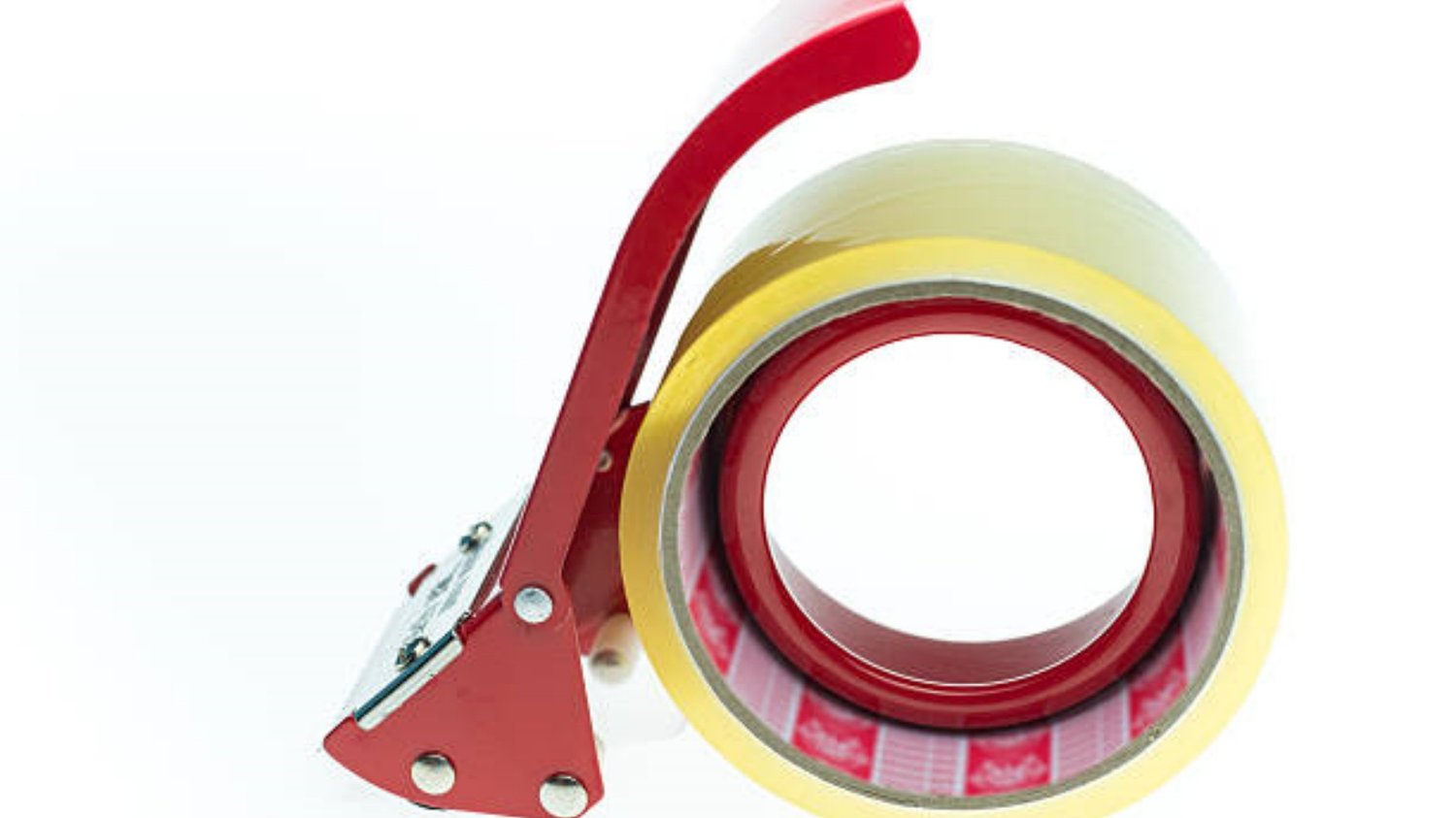
Understanding the Importance of Regular Strap Dispenser Maintenance
Proper maintenance of strap dispensers ensures smooth operation, reduces downtime, and extends the lifespan of the equipment. Neglecting upkeep can lead to frequent malfunctions and costly repairs, impacting packaging efficiency. Adhering to regular maintenance schedules keeps your strap dispenser functioning optimally and improves workplace productivity.
Cleaning Techniques to Keep Strap Dispensers Running Smoothly
Dust, dirt, and debris can accumulate inside strap dispensers, causing jams and wear on moving parts. Use compressed air and soft brushes to clean internal components regularly. Avoid harsh chemicals; instead, opt for mild detergents or specialized cleaning solutions designed for industrial equipment to prevent damage.
Lubrication: The Key to Reducing Friction and Wear
Applying the correct lubricant to the dispenser’s moving parts minimizes friction, preventing premature wear and tear. Refer to the manufacturer’s guidelines to select suitable lubricants and lubrication intervals. Over-lubrication or using improper oils can attract dirt, creating additional issues.
Inspecting Strap Guides and Rollers for Damage
Strap guides and rollers play a pivotal role in the seamless feeding of strapping material. Regular inspections help identify signs of wear, cracking, or misalignment. Replace damaged components promptly to avoid strap breakage and machine jams during operation.
Checking Tension Mechanisms to Maintain Consistent Strapping Force
Tension settings directly affect strapped packages’ integrity. Routine checks and calibrations ensure that the tension mechanisms deliver uniform force without overstressing the straps. Monitoring and adjusting tension prevents package damage and strap wastage.
Examining Electrical Components and Wiring Safety
Electrical faults can cause sudden breakdowns or pose safety hazards. Inspect wiring, switches, and connectors for signs of wear, corrosion, or loose contacts. Regular testing of electrical parts safeguards operational reliability and complies with workplace safety standards.
Proper Storage Practices to Protect Strap Dispensers When Not in Use
When strap dispensers are idle for extended periods, store them in clean, dry environments to prevent rust and corrosion. Covering the equipment protects it from dust and environmental damage. Proper storage reduces the need for extensive maintenance before reuse.
Training Operators on Correct Usage and Basic Maintenance
Well-trained operators play a vital role in maintaining strap dispensers. Educate personnel on correct machine operation, routine cleaning, and early detection of potential issues. Operator involvement can significantly reduce wear and prevent major repairs.
Scheduling Professional Servicing for Complex Repairs
While routine maintenance can be handled in-house, complex repairs require professional servicing. Regularly schedule expert inspections to identify internal problems that are not visible during routine checks. Professional servicing maximizes machine lifespan and maintains warranty conditions.
Documenting Maintenance Logs for Performance Tracking
Keeping detailed maintenance logs helps monitor wear patterns, repairs, and servicing dates. Documentation facilitates identifying recurring issues and guides better maintenance planning. This practice ensures consistent attention to strap dispenser health and operational efficiency.