Understanding WOVEN LASHING: Definition and Basics
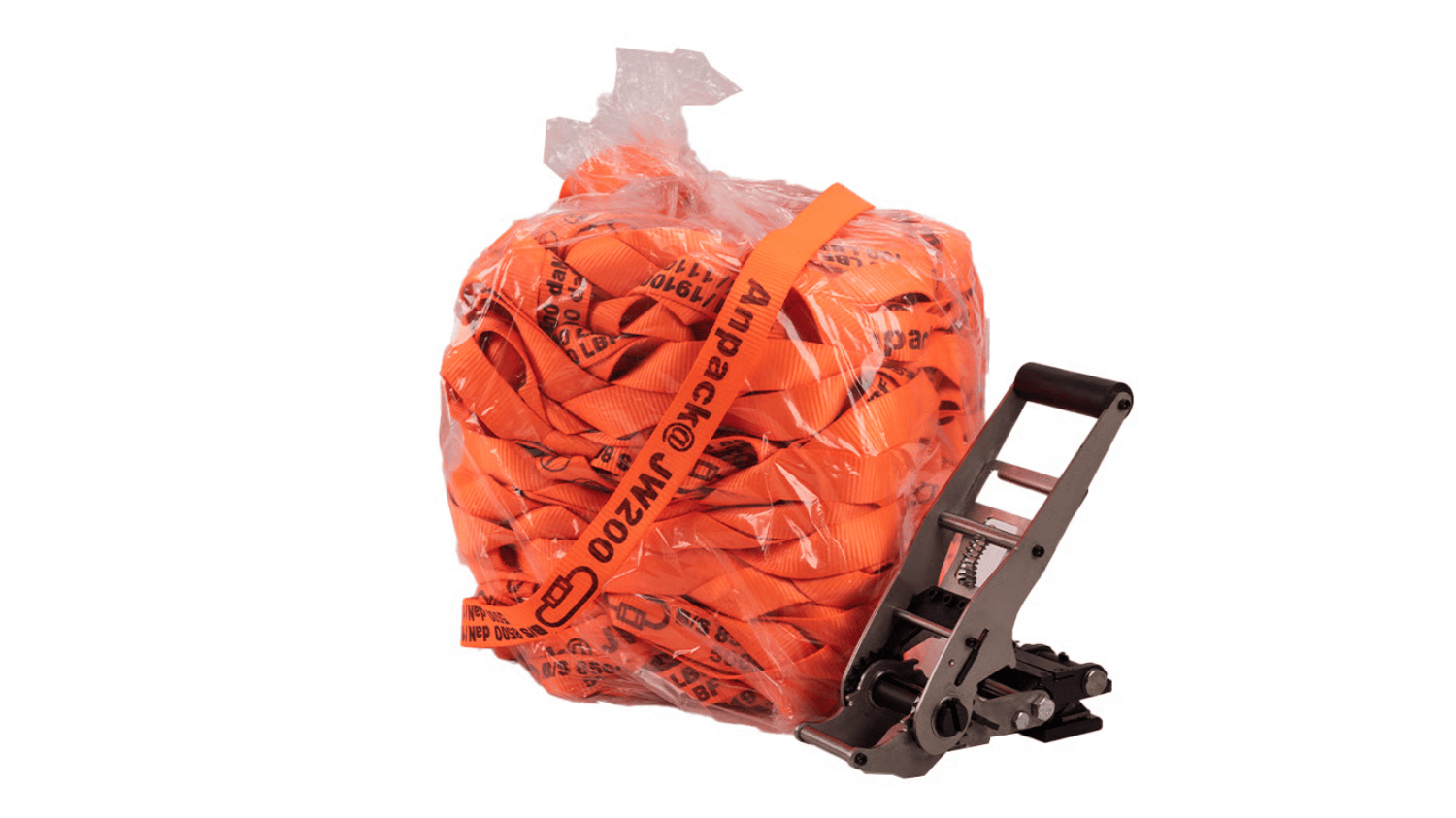
Woven lashing refers to a type of cargo securing strap crafted by interlacing fibers or yarns to create a strong, flexible webbing. It’s commonly used across various industries for binding, securing, and transporting goods. Unlike wire or chain lashing, woven lashings provide a lightweight alternative that resists abrasion and offers high tensile strength, enabling safer and more efficient load retention.
Materials Used in Woven Lashing Construction
Woven lashing is typically manufactured using synthetic fibers such as polyester, nylon, or polypropylene. Polyester is favored for its low stretch and superior UV resistance, while nylon offers excellent elasticity and shock absorption. Polypropylene woven lashings are cost-effective and resistant to moisture but have lower strength. The choice of material directly impacts durability, load capacity, and suitability for different environments.
Types of Woven Lashing: Flat vs Tubular
There are two primary forms of woven lashing: flat webbing and tubular webbing. Flat woven lashings consist of a single flat band used for simple tie-down applications. Tubular woven lashings have a round, hollow structure that provides flexibility to wrap around irregular shapes without twisting. Each type serves distinct purposes, with tubular lashings often preferred in scenarios requiring more versatility.
Advantages of Woven Lashing Compared to Other Securing Methods
Woven lashings stand out for their lightweight nature, ease of handling, and non-abrasive surface that protects cargo from damage. Unlike chains or ropes, they do not rust or degrade under normal weather exposure. Their flexibility promotes secure tensioning around various load shapes, while the woven design distributes pressure evenly, reducing the risk of slippage and increasing safety during transport.
Common Applications of Woven Lashing in Logistics
In logistics, woven lashing is extensively used to secure palletized goods, heavy machinery, and irregular cargo on trucks, ships, and trains. Their adaptability makes them ideal for aviation cargo restraint as well as marine applications where corrosion resistance is crucial. This versatility ensures woven lashings play a critical role in maintaining load integrity and compliance with transport regulations.
Woven Lashing Strength Ratings and Load Capacities
Load capacity depends on material, width, and weave density. Polyester woven lashings, for instance, can have breaking strengths ranging from 1,000 to over 10,000 pounds. Industry standards such as those from the Web Sling and Tie Down Association (WSTDA) classify these lashings based on their Working Load Limit (WLL), ensuring users select appropriate woven lashing for specific weight requirements, enhancing safety.
Maintenance and Inspection of Woven Lashing
Regular inspection is vital for woven lashing longevity and reliable performance. Look for signs of fraying, cuts, UV degradation, or chemical damage. Proper storage away from direct sunlight and moisture extends lifespan. Cleaning with mild detergents and avoiding harsh chemicals prevent fiber weakening. Maintaining woven lashing in optimal condition ensures effective cargo security and reduces risk of failure.
Environmental Considerations and Sustainability
Woven lashings made from synthetic fibers have certain environmental impacts due to non-biodegradability, but advancements are underway to produce eco-friendlier options using recycled materials. Using reusable woven lashings rather than disposable ties helps reduce waste. Proper recycling of worn lashings can minimize environmental footprint, aligning industrial usage with sustainable practices.
Choosing the Right Woven Lashing for Your Needs
Selecting appropriate woven lashing involves assessing factors such as load weight, environmental conditions, and application type. Consider fiber type for weather resistance, width and thickness for strength, and length suited to your cargo’s dimensions. Accessories like ratchets or buckles should be compatible to provide optimum tensioning. Correct selection ensures secure fastening and enhances operational efficiency.
Future Trends in Woven Lashing Technology
Innovations in woven lashing focus on integrating high-performance fibers like aramid for enhanced strength and heat resistance. Smart woven lashings embedded with sensors to monitor tension and detect damage during transit are emerging. Additionally, biodegradable and recyclable materials are gaining traction, promising eco-conscious options. These advancements will continue to improve safety, functionality, and sustainability in cargo securing solutions.
Quote Inquiry
contact us