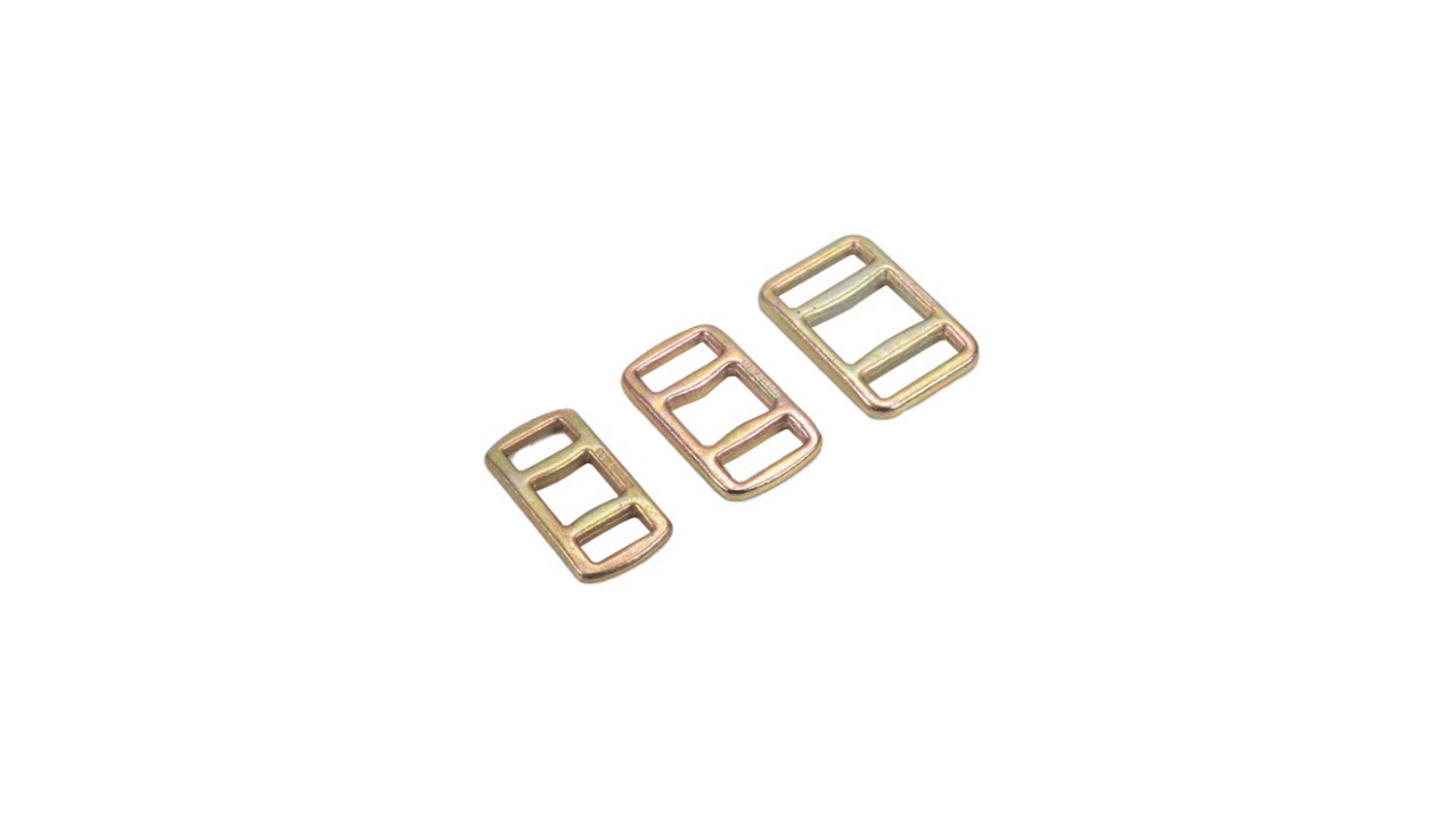
Introduction to LASHING BUCKLEs and Their Purpose
Lashing buckles are essential fastening devices used primarily to secure loads during transportation. These buckles form part of lashing systems that ensure cargo remains stable, safe, and immobile on trucks, ships, or storage platforms. By gripping lashing straps tightly, lashing buckles protect goods from shifting, reducing the risk of damage or accidents during transit. Understanding the function of lashing buckles is crucial for anyone involved in logistics, shipping, or cargo handling industries.
Materials and Construction of Lashing Buckles
Lashing buckles are typically made from high-strength steel, often galvanized or coated to prevent corrosion and enhance durability. The choice of material affects the buckle’s strength, longevity, and performance under stress. Steel lashing buckles offer exceptional tensile strength, while alternatives like aluminum or composite materials might be used for specialized, lightweight applications. Construction quality ensures that the buckle can withstand high tension loads without bending or breaking.
Types of Lashing Buckles and Their Applications
Various types of lashing buckles serve different operational needs. Common types include the flat hook, snap hook, and double J-hook styles, each designed to connect with specific lashing strap ends or anchor points. For instance, flat hook buckles are ideal for lashing down cargo on flatbeds, while snap hook buckles provide quick fastening and release. Selection depends on the cargo type, transportation mode, and required security level.
How to Use a Lashing Buckle Effectively
Using a lashing buckle correctly is vital to achieving maximum load security. The process typically involves threading the lashing strap through the buckle’s slot, pulling it tight to remove slack, and locking the buckle to hold the strap firmly. Proper tensioning prevents shifting or loosening during transit. Operators should regularly inspect the buckle and strap for wear and re-tighten if necessary, ensuring compliance with safety standards.
Advantages of Lashing Buckles in Cargo Securing
Lashing buckles provide several benefits, including ease of use, adjustable tension, and reusability. Unlike ratchet buckles, lashing buckles offer a simple, lightweight solution for moderate load securing needs. Their compact design makes them suitable for applications where space is limited. Additionally, lashing buckles are cost-effective, allowing multiple uses over time, which reduces overall operational expenses for transport companies.
Safety Standards and Regulations for Lashing Buckles
To ensure reliability, lashing buckles must meet specific safety standards such as those set by the International Organization for Standardization (ISO) and regional transport safety authorities. These regulations dictate load ratings, testing procedures, and performance criteria. Using certified lashing buckles helps prevent accidents caused by buckle failure and guarantees compliance during cargo inspections. Regular maintenance and adherence to manufacturer guidelines are also mandated for safe operation.
Comparison Between Lashing Buckles and Ratchet Buckles
Lashing buckles and ratchet buckles are both used for securing loads, but they have key differences. Ratchet buckles incorporate a mechanical ratchet system allowing precise tension adjustments and higher load capacities, making them suitable for heavy-duty applications. Lashing buckles, however, are simpler, lighter, and quicker to use for medium to light-duty tasks. Selecting the appropriate buckle type depends on load requirements, frequency of use, and speed of securing needed.
Maintenance Tips for Prolonging Lashing Buckle Life
Proper maintenance extends the effective lifespan of lashing buckles. Regular cleaning to remove dirt, debris, and rust is essential. Inspect buckles for cracks, corrosion, or deformation before use. Lubricating moving parts can help maintain smooth operation, particularly for buckles with hinged components. Storing buckles in a dry, cool environment prevents premature wear. Timely replacement of damaged buckles ensures ongoing safety and reliable performance.
Common Industries That Rely on Lashing Buckles
Lashing buckles are integral to many industries, including shipping, logistics, construction, agriculture, and manufacturing. Shipping companies utilize them to secure containers and palletized goods, while construction sites use them to stabilize heavy equipment during transport. Agricultural businesses lash down machinery and produce, and manufacturers depend on these buckles to bundle products securely. The versatility of lashing buckles makes them indispensable across sectors requiring load stability.
Future Trends and Innovations in Lashing Buckle Design
Innovations in lashing buckle technology focus on enhancing safety, ease of use, and environmental sustainability. Developments include buckles made from lighter, stronger composite materials and designs integrating quick-release mechanisms for faster operation. There is also growing emphasis on ergonomic features to reduce operator fatigue and smart buckles embedded with sensors for load monitoring and safety alerts. These advancements aim to improve efficiency and meet evolving regulatory demands in cargo securing.
Quote Inquiry
contact us