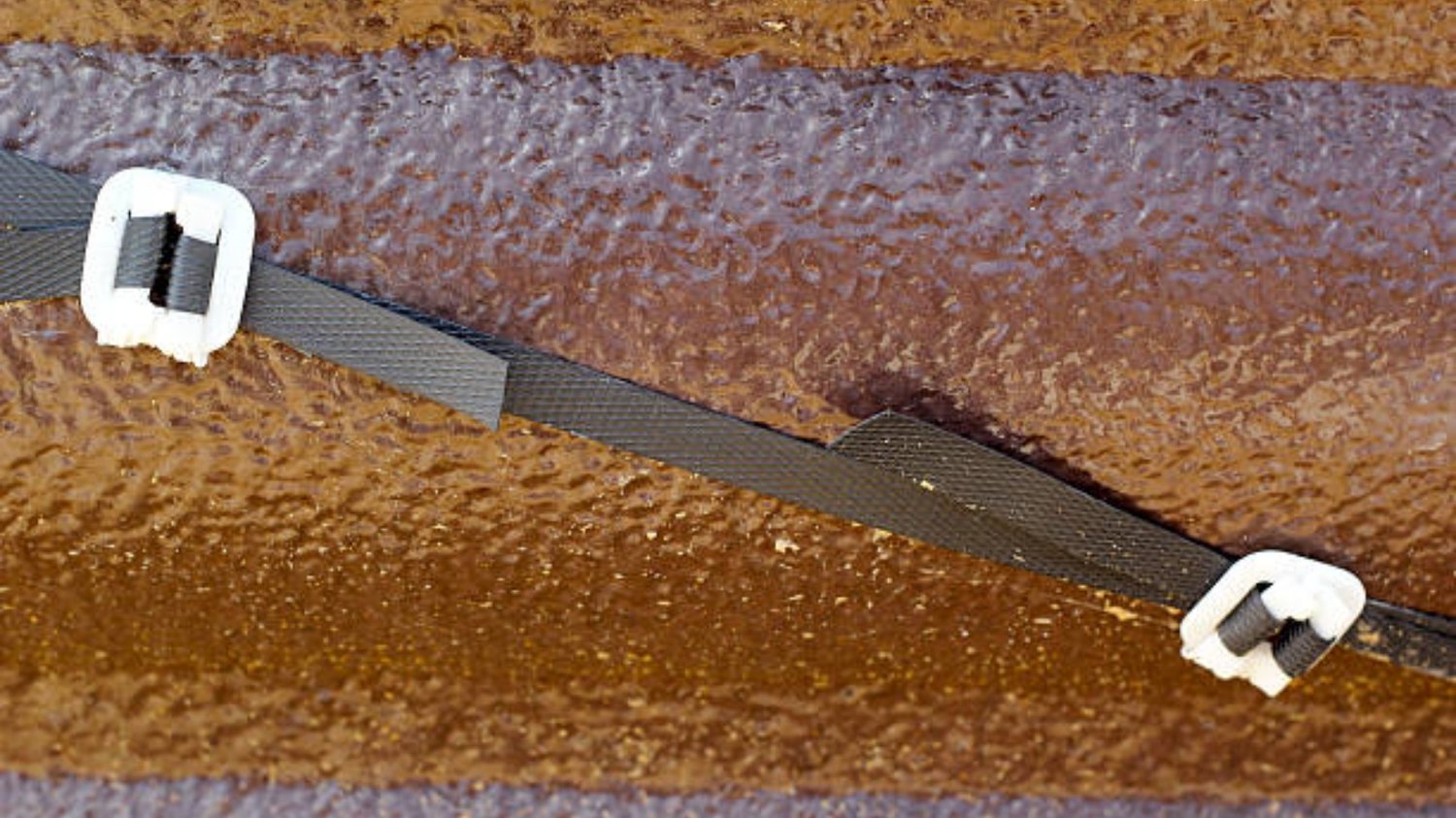
Composite strapping JC55 is a durable and versatile packaging material widely used in various industries for securing and bundling goods. This strapping type combines high tensile strength with lightweight properties, making it an excellent alternative to traditional steel and plastic straps. Manufactured using polyester fibers and a polypropylene outer layer, it offers enhanced flexibility and resistance to environmental factors. This technology ensures that items remain securely fastened during transport and storage, reducing the risk of damage and loss.
Material Composition and Structure
Composite strapping JC55 is distinguished by its multi-layer construction, which includes polyester yarns embedded within a polypropylene matrix. This combination provides superior tensile strength while maintaining excellent elongation properties. Its distinctive structure allows it to absorb shocks better than metal strapping and resists corrosion, rust, and chemicals. The polypropylene coating also protects the polyester fibers from moisture and UV rays, making it suitable for both indoor and outdoor applications.
Key Advantages Over Traditional Strapping
One of the primary benefits of composite strapping JC55 is its enhanced safety profile. Unlike steel strapping, it does not have sharp edges, thereby reducing the risk of injury during handling. Additionally, it is lighter in weight, which lowers transportation costs and makes it easier for workers to manage. Its resistance to corrosion means it doesn’t degrade over time, unlike metal straps that can rust. This extends the lifespan of the securing material and adds value to long-term storage solutions.
Applications Across Various Industries
Composite strapping JC55 finds extensive use in packaging sectors such as construction, agriculture, manufacturing, and logistics. It is frequently employed to secure pallets, bundles of pipes, lumber, and heavy equipment. The strapping’s versatility allows it to adapt to different packaging needs, whether bundling small packages or stabilizing large, heavy loads. Moreover, certain industries prefer composite strapping JC55 due to its resistance to extreme weather conditions and chemicals during shipping.
Environmental Benefits of Composite Strapping JC55
An increasing number of companies are turning to composite strapping JC55 for its eco-friendly properties. Being partially recyclable and lighter than steel strapping, it reduces environmental impact during transportation. Its production consumes less energy compared to metal straps, lowering its carbon footprint. Additionally, its durability helps minimize waste by reducing the frequency of replacement, supporting sustainable packaging initiatives across supply chains worldwide.
Cost-Effectiveness and Economic Impact
While composite strapping JC55 may have a higher initial cost compared to some plastic alternatives, its overall cost-effectiveness shines through with long-term savings. Reduced breakage rates and improved load security translate to fewer damages and returns, thereby saving money for companies. Moreover, its lightweight nature lowers shipping expenses, and the ease of handling reduces labor costs. When considering the total cost of ownership, composite strapping JC55 is a financially prudent choice for large-scale operations.
Strength and Durability Performance
Composite strapping JC55 boasts impressive tensile strength, often matching or exceeding that of steel straps in specific applications. The high breaking strength allows it to secure heavy loads effectively, ensuring stability during transport. Additionally, the material exhibits excellent fatigue resistance, meaning it maintains integrity even after repeated tensioning or vibration. Its resilience under various stress conditions makes it trustworthy for demanding shipping environments.
Compatibility with Strapping Tools and Equipment
Composite strapping JC55 is designed to work seamlessly with a variety of strapping tools, including manual tensioners, pneumatic machines, and fully automatic strapping systems. This adaptability allows businesses to integrate it into existing packaging lines without substantial modifications. Specialized seals and buckles are used to lock and secure the strap ends efficiently, ensuring reliable tension throughout the transport cycle. The strapping is also easier to cut and handle than steel, enhancing overall operational safety.
Storage and Handling Best Practices
Proper storage of composite strapping JC55 is crucial to maintain its performance characteristics. It should be stored in a cool, dry place away from direct sunlight to prevent premature degradation. Avoiding exposure to harsh chemicals and sharp objects reduces the risk of damaging the strapping before use. During handling, workers should use gloves and ensure the strapping is not twisted or kinked, as these conditions can weaken the fibers and compromise load security.
Future Trends and Innovations
The future of composite strapping JC55 is promising, with ongoing research focusing on enhanced material formulations and sustainable alternatives. Innovations aim to improve tensile strength, elongation capabilities, and biodegradability to further minimize environmental impact. Additionally, smart packaging trends are pushing the integration of tracking and sensor technologies within composite strapping, allowing real-time monitoring of load conditions. These advances will continue to position composite strapping JC55 as a leading solution in modern supply chain logistics.
Quote Inquiry
contact us