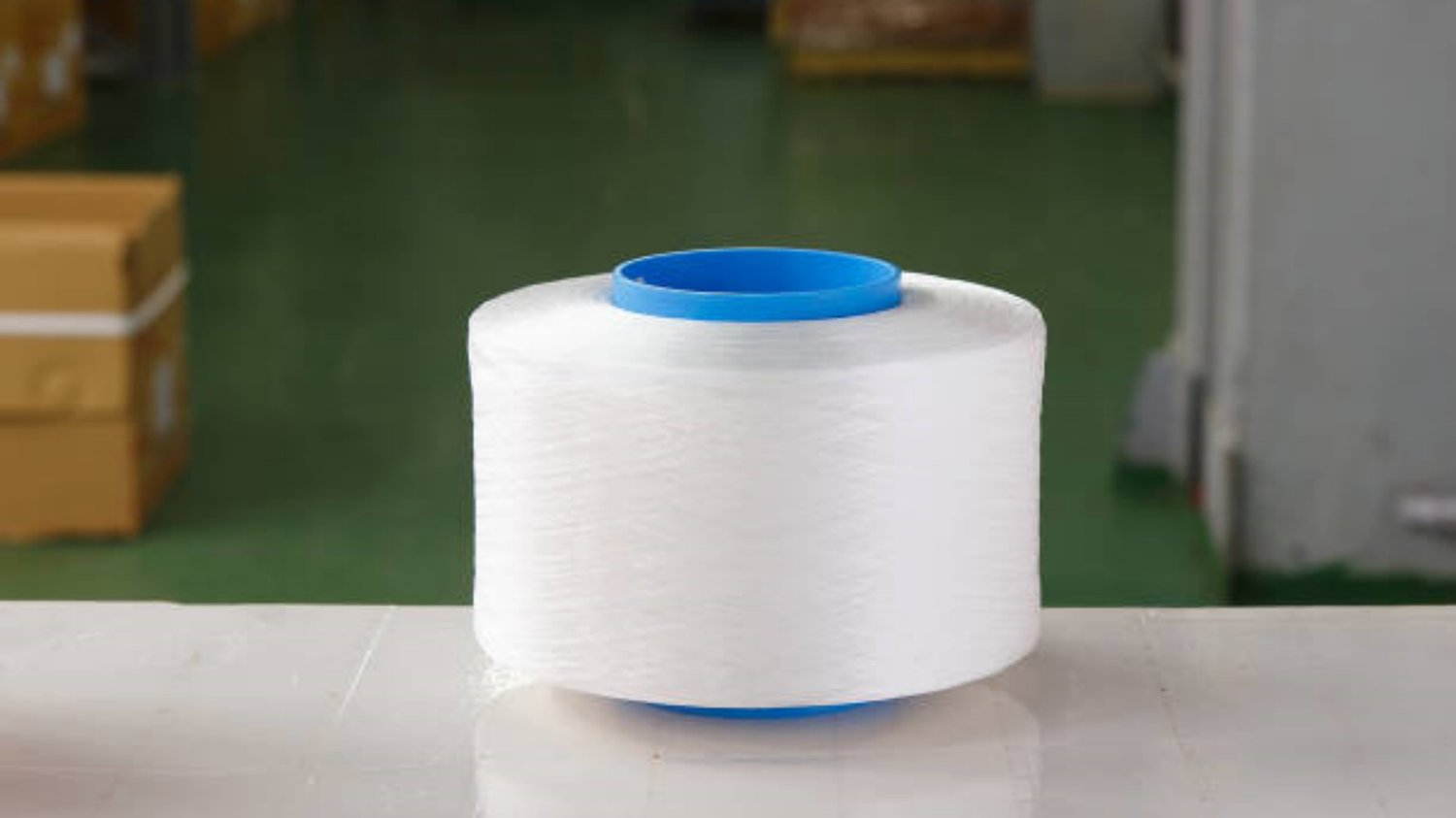
Understanding Composite strapping: Definition and Composition
Composite strapping is a type of packaging material commonly used to secure goods during transportation and storage. It is made from a combination of polypropylene (PP) fibers laminated between two outer layers of polyester (PET) film, which results in a strong yet lightweight strapping solution. This blend ensures durability and flexibility, making composite strapping a popular alternative to steel and traditional plastic straps.
Advantages of Composite Strapping Over Traditional Materials
One of the primary benefits of composite strapping is its superior strength-to-weight ratio. Compared to steel strapping, composite strapping offers similar tensile strength but weighs significantly less, reducing shipping costs and easing handling. Additionally, composite straps do not rust, stain, or cause injury, which improves workplace safety and product presentation.
Environmental Impact and Sustainability
Composite strapping is environmentally friendly due to its recyclable materials and lighter weight that lowers transportation emissions. Unlike steel, composite strapping consumes fewer resources in manufacturing and is easily recyclable through existing plastic recycling streams. This sustainable aspect appeals to companies aiming to reduce their carbon footprint.
Common Industries Utilizing Composite Strapping
Various industries utilize composite strapping for packaging and securing loads, including lumber, brick, paper, and heavy equipment sectors. The ability of composite strapping to withstand harsh conditions and maintain load integrity makes it ideal for heavy-duty applications. Industries prioritizing safety and efficiency frequently choose composite strapping over metal alternatives.
Applications in Securing and Bundling Bulk Materials
Composite strapping excels at bundling materials like wood panels, concrete blocks, and steel products. Its elasticity allows it to absorb shocks during transport, ensuring bundled goods remain intact. This functionality reduces product damage and loss, providing an economical and reliable solution throughout the supply chain.
Compatibility with Strapping Tools and Equipment
Composite strapping is compatible with a variety of tensioning, sealing, and cutting tools, including manual, battery-operated, and pneumatic strapping equipment. This adaptability allows businesses to integrate composite strapping easily into existing packaging workflows. Moreover, the tool-specific designs optimize efficiency and reduce operator fatigue.
Cost Efficiency and Economic Benefits
Despite often being perceived as more expensive upfront compared to other plastic straps, composite strapping offers significant long-term savings. Reduced weight translates into lower freight costs, and its high durability minimizes strap replacement frequency. Collectively, these factors contribute to a lower total cost of ownership for users.
Safety Improvements with Composite Strapping
Composite strapping enhances workplace safety thanks to its smooth edges and shock-absorbing characteristics. Unlike steel strapping, it does not snap back dangerously when cut, lowering the risk of injury during handling and removal. This trait makes composite strapping a preferred choice in environments that prioritize employee well-being.
Storage and Handling Benefits
The lightweight nature of composite strapping makes storage and handling easier compared to steel strapping coils. Rolls of composite strapping can be transported and stored in smaller spaces without heavy machinery. This flexibility allows for faster packing operations and reduces labor efforts, optimizing productivity.
Future Trends and Innovations in Composite Strapping
Advancements in polymer technology continue to improve the tensile strength and abrasion resistance of composite strapping. Innovations include enhanced UV resistance and customizable widths to suit specialized applications. As industries demand more sustainable and efficient solutions, composite strapping is expected to gain further market share and technological enhancements.
Quote Inquiry
contact us